EV Charging Infrastructure Safety Challenges in India
10 Feb 2026
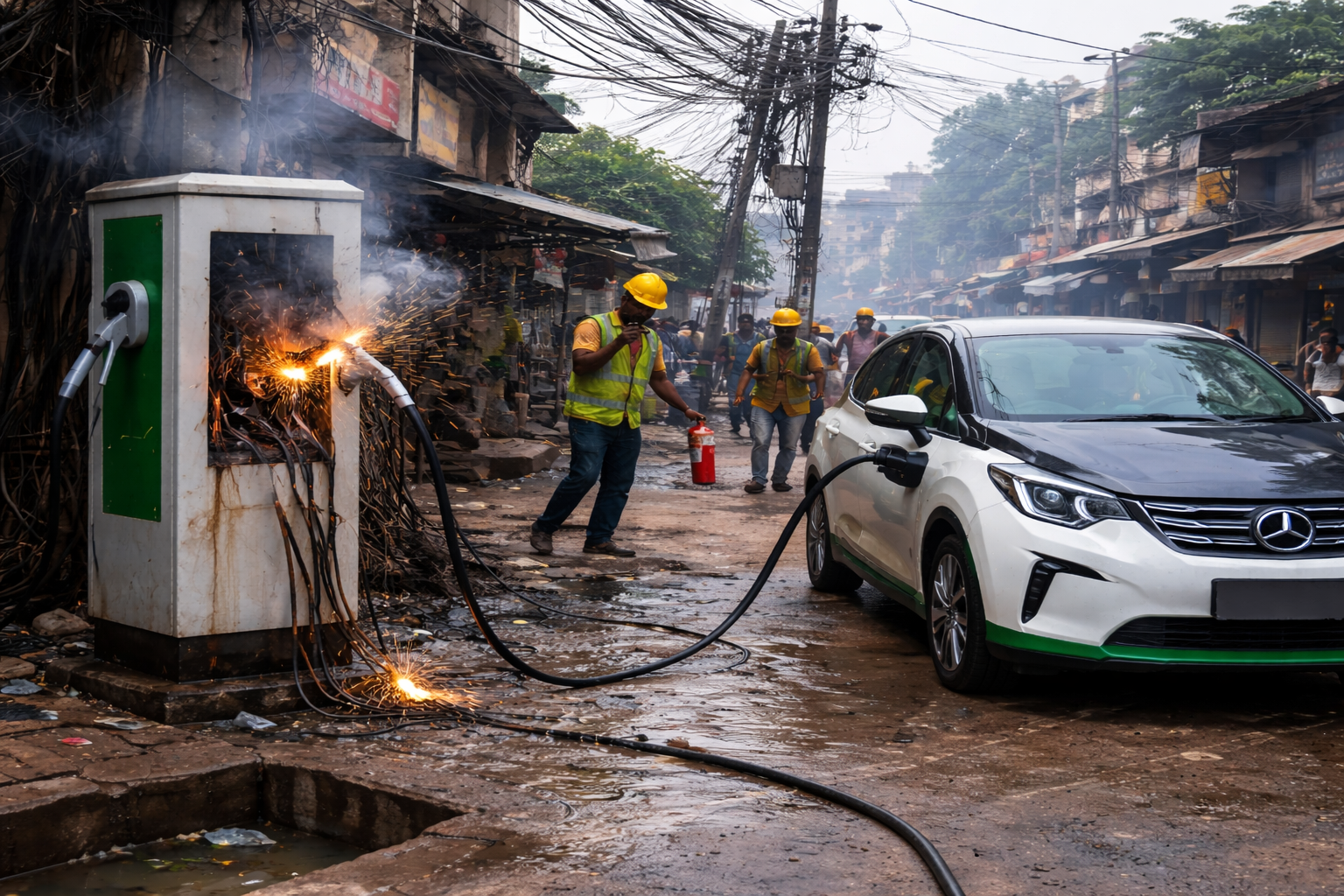
The rapid adoption of electric vehicles (EVs) in India is reshaping mobility and energy consumption. With government incentives, rising fuel costs, and sustainability goals, EVs are increasingly seen as the future of transport. However, this transition brings with it a new set of electrical safety challenges. Unlike conventional vehicles, EVs rely heavily on complex electrical systems, lithium-ion batteries, and charging infrastructure—all of which introduce risks if not managed properly. Recent incidents in Maharashtra, including a battery fire in Thane (Feb 2026) and a commercial blaze in Andheri (Jan 2026), highlight the urgent need to address these challenges. These events underscore the importance of electrical safety audits in India, robust training, and preventive measures to safeguard lives, property, and the credibility of EV adoption.
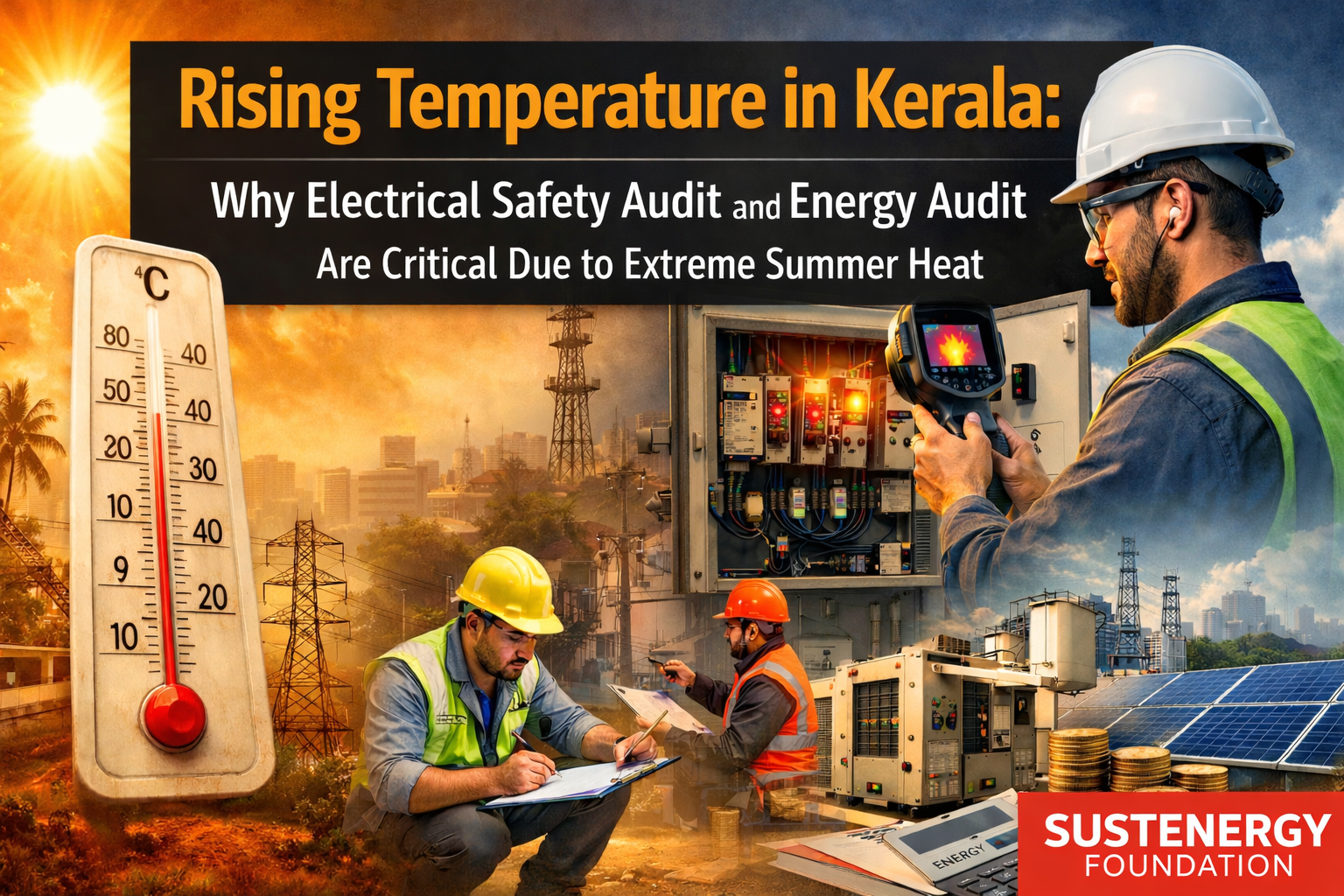
Rising Kerala Temperatures Increase Electrical Fire Risks: Why Safety Audits Matter
13 Mar 2026
Kerala is already starting to feel the heat this summer. Recent weather reports show that temperatures in several districts have crossed 38°C, and the India Meteorological Department has warned that the mercury level may touch 40°C in many parts of the state in the coming weeks. With fewer summer rains expected and clear skies allowing more solar radiation to reach the ground, the heat index is likely to increase further, especially in north and central Kerala. High humidity along with high temperature will make the weather feel even more uncomfortable and stressful.
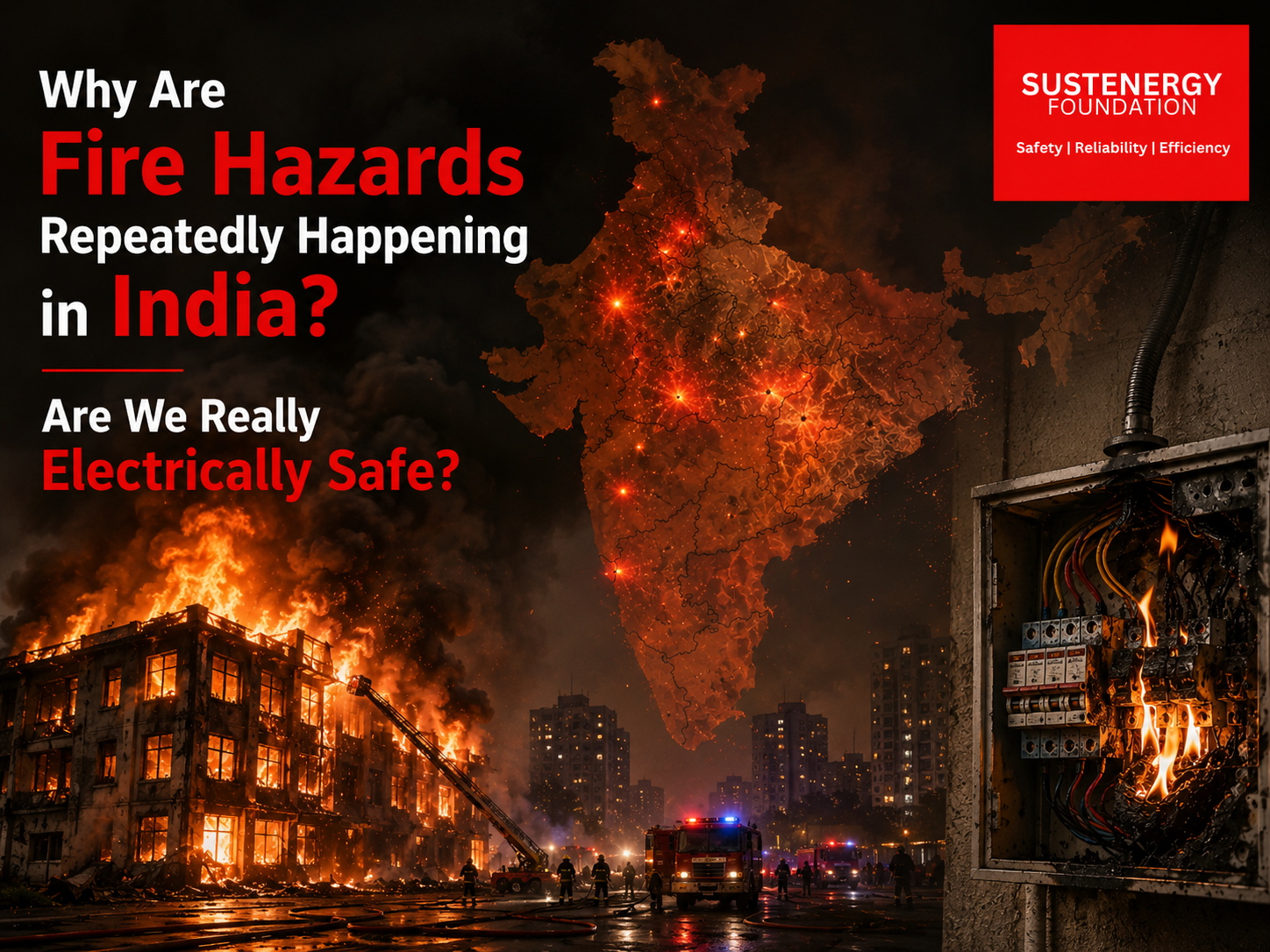
Why Are Fire Hazards Repeatedly Happening in India? Are We Really Electrically Safe?
22 Jun 2026
Electrical fires continue to be one of the leading causes of fire accidents in India, affecting hospitals, hotels, industries, commercial buildings, and homes. Many of these incidents originate from hidden electrical hazards such as loose connections, poor maintenance, inadequate earthing, and undetected overheating that protective devices may not identify. This article explores why electrical fire hazards repeatedly occur, the importance of thermography, Earth Fault Loop Impedance (EFLI) testing, RCCB protection, and how regular Electrical Safety Audits can help prevent disasters, protect lives, and improve electrical safety compliance.
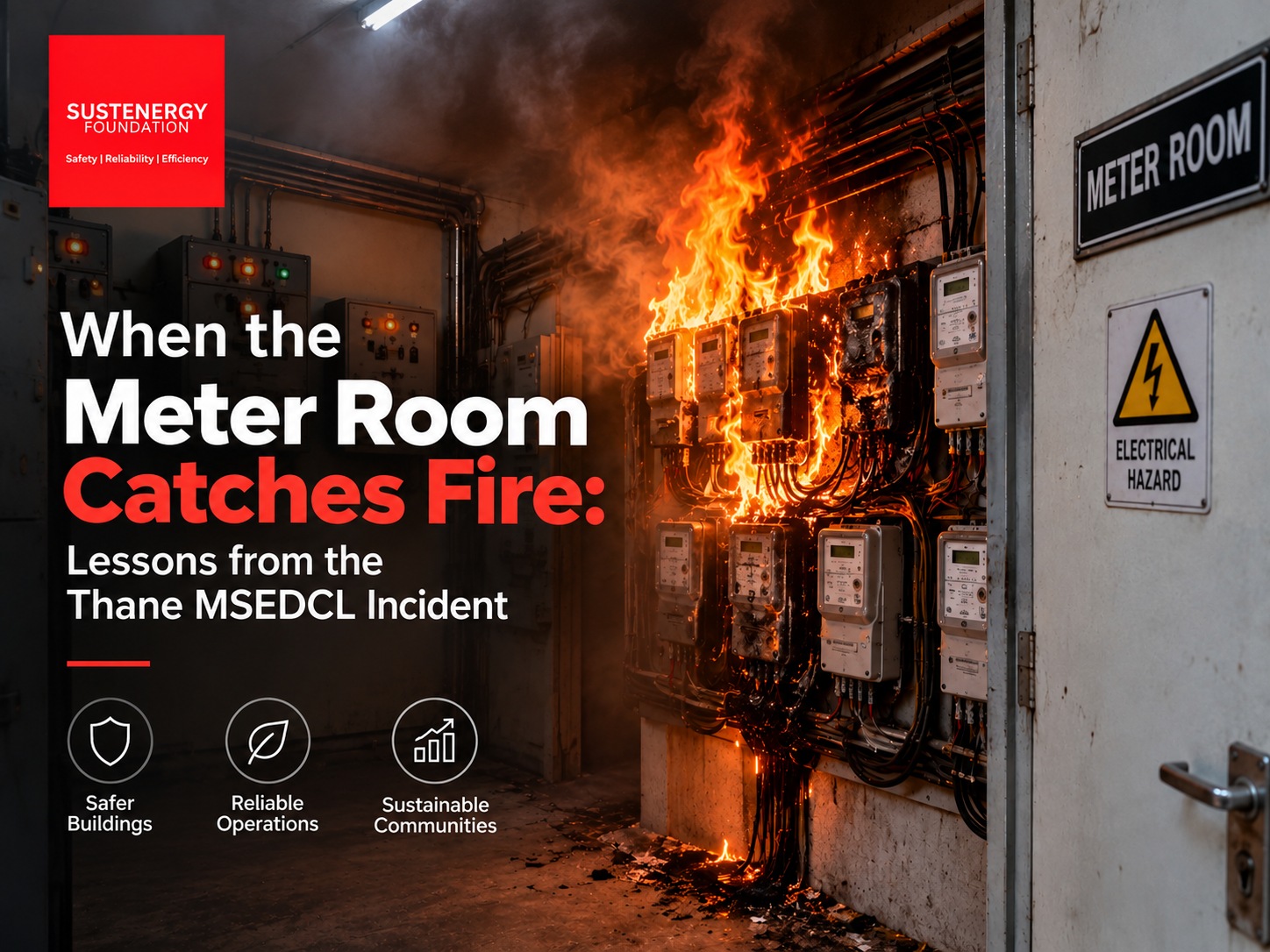
When the Meter Room Catches Fire: Lessons from the Thane MSEDCL Incident
05 Sep 2026
A meter-room fire can quickly become a serious threat in a multi-storey building. The recent MSEDCL meter-box fire incidents in Thane highlight the importance of electrical safety, preventive maintenance and regular electrical safety audits. This article explores how thermal inspections, proper earthing, safe electrical practices and timely corrective action can help prevent electrical failures and fires. For safer and more sustainable buildings, electrical safety must be treated as a continuous responsibility—not a formality.